
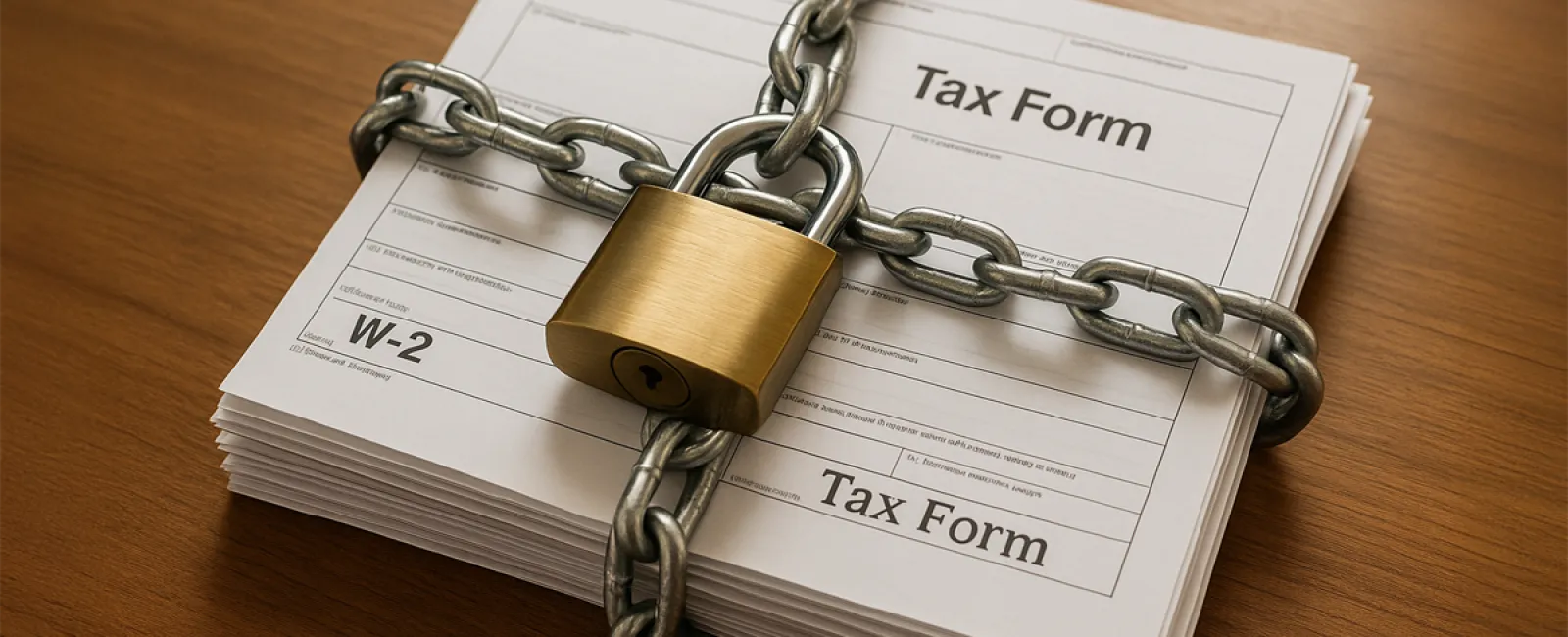
February marks the beginning of tax season, with accountants inundated and bookkeepers gathering vital documents. The buzz around W-2s, 1099s, and looming deadlines fills the air.
However, the real challenge during tax season often sneaks in unannounced—not as a form, but as a deceptive scam targeting small businesses early on. This threat might already be lurking in your team's inbox.
Understanding the W-2 Scam and Its Tactics
The scam unfolds like this:
An employee—typically from payroll or HR—receives an email seemingly from a top executive like the CEO or owner.
The message is brief and demands immediate action:
"I need copies of all employee W-2s for an urgent meeting with the accountant. Please send them immediately; I'm swamped today."
It appears legitimate, with a tone and urgency that fit tax season. The request seems perfectly normal, prompting the employee to comply.
Unfortunately, the email is a fraudulent spoof, disguised to mimic the CEO's address or a near-identical domain.
Consequently, the scammer gains access to each employee's:
• Full legal name
• Social Security number
• Residential address
• Salary details
All the critical information needed for identity theft and filing fraudulent tax returns before the rightful employees do.
Consequences of Falling Victim
Typically, affected employees discover the fraud when their tax returns are rejected with messages like "Return already filed for this Social Security number."
Someone has already filed taxes under their name and claimed their refund, leading employees into a maze of IRS disputes, credit monitoring services, identity theft protection, and lengthy paperwork.
Multiply this problem across your entire workforce, and consider the challenge of explaining a breach caused by a fake email to your team.
This situation transcends security—it damages trust, creates HR crises, risks lawsuits, and harms your company's reputation.
Why This Scam Is So Effective
This isn't a clumsy scam; it's meticulously crafted due to:
• Perfect timing—W-2 requests are routine in February, raising no suspicion.
• Reasonable demands—requests for W-2s are standard tax season documents, unlike wire transfers or gift cards.
• Genuine urgency—phrases like "I'm swamped, please send quickly" sound typical.
• Authentic appearance—the scammer utilizes researched information to mimic real executives or accountants.
• Employee helpfulness—the desire to assist superiors often bypasses caution.
Proactive Steps to Shield Your Business
Fortunately, this scam can be thwarted through policies and a cautious workplace culture rather than just technology.
Implement a strict "no sending W-2s via email" policy—no exceptions allowed. W-2s and sensitive payroll files must never leave your premises as email attachments, regardless of the sender.
Always verify requests involving sensitive data through a second communication method such as a phone call, in-person conversation, or chat—not by replying to the email. Use established contact details, not those provided in the message. This quick step can prevent months of remediation.
Conduct a brief tax-season awareness meeting immediately. Educate payroll and HR staff about the growing threat, how to spot scams, and the company's response plan. This awareness acts as a cost-effective insurance policy.
Strengthen your payroll and HR digital security by enforcing multi-factor authentication (MFA) on all systems handling employee data. Should credentials be compromised, MFA acts as a critical barrier.
Promote a culture where verifying and questioning suspicious requests is encouraged and praised. Employees who call to confirm unusual demands should be recognized—not made to feel uneasy. This openness shuts scams out effectively.
These five straightforward rules are easy to put into practice and robust enough to stop initial scam attempts.
Looking Beyond the W-2 Scam
The W-2 fraud is only the beginning. As tax season progresses toward April, expect a surge in various tax-themed cyber threats, including:
• Fake IRS notices demanding immediate payments
• Phishing campaigns disguised as tax software updates
• Spoofed emails from "your accountant" containing harmful links
• Fraudulent invoices mimicking tax-related expenses
Tax season is a goldmine for criminals—everyone moves fast, distractions abound, and financial requests seem routine.
Businesses that navigate this period safely aren't simply lucky; they are prepared with solid policies, ongoing training, and security systems that intercept suspicious activities before damage occurs.
Is Your Business Prepared?
If your team is already trained and your policies cover these risks, you're ahead of many small businesses.
If not, act now before fraud strikes.
Consider booking a 15-minute Tax Season Security Check to assess:
• Payroll and HR access controls with MFA
• Protocols for W-2 request verification
• Email security measures against spoofing
• A critical policy adjustment often overlooked by businesses
If your business is secure, that's fantastic—but you likely know others who aren't as prepared. Share this article to help them avoid costly pitfalls.
Click here or give us a call at 801-356-9333 to schedule your free 15-Minute Discovery Call.
Because tax season is complex enough without the added burden of identity theft.